
NewsSearch & Traffic
Google puts more source links into AI Search, but publisher traffic remains an open question
On October 15, Google announced more visible inline links, news carousels and source profiles in AI Search. The design changes are real; a traffic recovery is not established.
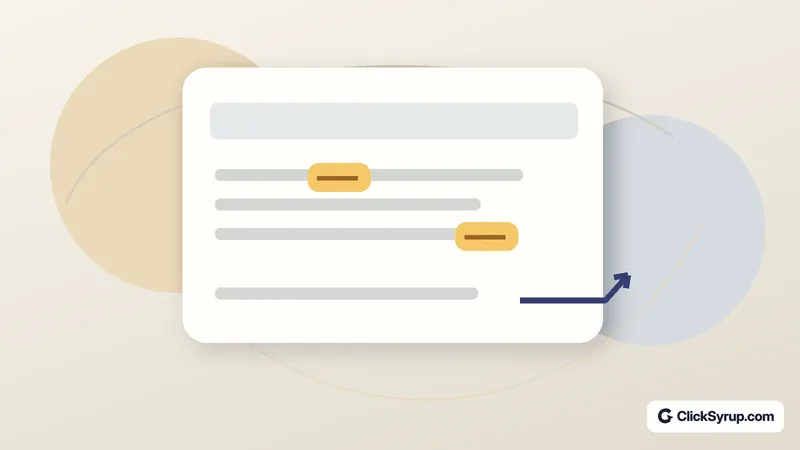
Google announced a set of changes to its AI Search interfaces on October 15, 2026, intended to make original websites easier to reach from AI-generated answers. The company says it is putting inline links higher in responses more often, testing a prominent section for official websites, and broadening news carousels across locations and languages. For publishers, the announcement changes how links may be displayed. It does not establish that referral traffic will rise.
The distinction matters because two questions are easily confused: whether a source is credited in an answer, and whether readers actually open that source. Google's product announcement addresses the first more directly than the second. It provides no universal traffic uplift figure, no deployment timetable for every market, and no guarantee of placement for individual sites.
What Google actually changed
Inline citations are becoming more prominent and are being placed earlier in some AI responses. Google is also testing a separate area near the top for the few official sites that best answer certain navigational or task-focused queries. That is a test, not a new organic ranking position that can be claimed by filling in a form.
For timely coverage, Google says it is expanding article carousels to more countries and languages. These carousels may feature users' Preferred Sources. At the end of some AI answers, article links will gain stronger visual treatment, including thumbnails. The company also said it began testing clickable publisher and creator names on video results that point to Search profiles.
None of these announcements means all users will see the same interface on October 15. Some features are tests, while others are expansions. Publishers should resist treating screenshots from a single account as a universal rollout.
How to judge the effect on your own site
Start with a dated baseline. In Search Console, compare impressions, clicks, click-through rate and the landing pages most relevant to the topics where AI answers already appear. Separate branded from non-branded queries and desktop from mobile where the data allows. A rising impression count paired with flat clicks is different from a decline in both.
Keep a record of the queries and devices on which you personally observe the new presentation, but do not assume that manual searches reproduce all users' results. Also watch server referral logs or available first-party traffic data. Attribution can be incomplete, so compare several signals instead of trusting one chart.
The publisher licensing announcement issued the same day involves a separate paid program and should not be confused with these link-design changes. A site can benefit from a more prominent link without belonging to that program.
What should not change overnight
Keep descriptive titles, accessible pages, clear sourcing and genuinely useful original information. Do not restructure a site to chase an interface that is still being tested. If a specific page gains or loses referrals, investigate whether its indexing, topic interest or ranking changed at the same time. Our traffic-drop investigation guide offers a measured diagnostic sequence; the Bing AI reporting story describes a different platform's visibility data.
The next meaningful milestone is evidence from publishers' own traffic, not another promotional image. Google's October 15 update makes it easier in principle to encounter a source link. Whether that becomes a visit remains to be measured.
Primary sources
- product announcementblog.google
- publisher licensing announcementblog.google
Related reading
NewsSearch & Traffic
Bing adds a topic view to its AI search reports
Topics Portfolio groups a site’s AI citations into themes, with approximate opportunity data and important limits for smaller sites.
GuideSearch & Traffic
How to investigate a website traffic drop before changing everything
Separate a measurement problem from a real audience loss, then narrow the affected pages and channels before choosing a fix.

GuideSearch & Traffic
How to launch a multilingual website readers can navigate
Give each edition a stable home, keep equivalent pages connected and make language changes a reader’s choice.